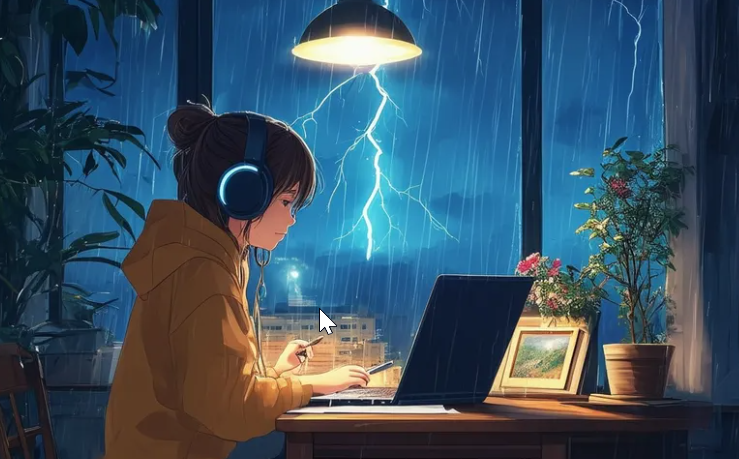
I remember sitting in front of my laptop one night, staring at a game lobby screen, thinking hmm… how did I end up here? A few years ago I was worrying about vocal warm ups and stage lighting. Now I was analyzing online systems, community behavior, and digital engagement loops. Fuuhh. Life moves quietly, and then suddenly you realize you are somewhere new.
But the strange part was this.
It did not feel foreign.
It felt familiar.
When the Stage Became a Screen
Music taught me how powerful shared emotion can be. I learned how timing matters. A pause before a chorus can change everything. A softer verse can make the final note hit harder. Performing live showed me how energy flows between people. You give something, they respond. It becomes circular.
Digital culture works the same way.
When I started exploring online platforms more seriously, especially gaming communities, I began noticing patterns. Anticipation before a seasonal update. Collective excitement during a live event. The tension inside competitive matches. The celebration after a difficult win.
Different tools. Same emotional rhythm.
Sometimes I close my eyes and think about a live audience singing along. Then I think about a team coordinating perfectly in a high pressure game. The heartbeat is different, but the connection feels just as real.
Participation Changed Everything
Back when I was releasing music actively, connection mostly flowed one way. I created. The audience received. Of course there were fan letters, events, and conversations, but the structure was still performer and listener.
Modern digital platforms erase that distance.
In online games, nobody is just watching. Everyone participates. You join a team. You build something. You compete. You contribute. The experience depends on collective input.
That is powerful.
Gaming is now one of the largest entertainment industries in the world, generating more revenue globally than film and recorded music combined. But the numbers are not what moved me. It is the design.
Reward systems. Progression paths. Community driven events. These systems are carefully built to keep people engaged and emotionally invested.
And I found myself thinking hmm… this feels like composing music.
You build tension. You release it. You create anticipation. You reward attention.
Digital Communities Feel Surprisingly Real
I used to believe that real connection required physical presence. Concert halls. Applause. Shared space.
Then I joined online communities where players from different countries coordinated daily like close friends. Voice chat replaced backstage conversations. Strategy sessions replaced rehearsals.
At first I observed quietly. Then I participated more actively. And something clicked.
The trust inside competitive teams. The shared frustration after losing. The collective relief after winning. These are emotional experiences. They create memory. They create bonds.
Research on cooperative gaming shows that teamwork in digital environments can strengthen communication skills and long term social ties. But beyond research, I felt it personally.
There is something honest about working toward a shared goal, even if that goal exists in a virtual world.
Hmm. Maybe we underestimate digital spaces too often.
The Architecture of Engagement
The more I explored, the more I became fascinated by structure.
Online games operate on engagement cycles. Daily rewards. Ranked seasons. Limited time events. Virtual economies where effort translates into visible status. It is not random. It is intentional design.
And honestly, fuuhh, I respect that.
In music, we think carefully about arrangement and pacing. In digital platforms, designers think about progression and motivation. Both rely on understanding human psychology.
Why do people return?
Why do they stay?
Why do they care?
When I started asking those questions, I realized my curiosity was not separate from my music journey. It was an extension of it.
Emotion Still Sits at the Center
Some people assume that digital culture is cold or mechanical. Screens, algorithms, numbers.
But beneath all of that is emotion.
Excitement before a competitive match. Anxiety when ranking is on the line. Pride after mastering a skill. Belonging inside a community.
Music once gave me a way to channel emotion outward. Digital culture allows me to observe how emotion is structured and sustained inside systems.
It feels like stepping backstage and seeing how the entire production works.
And instead of feeling disconnected from my past, I feel continuity.
Music taught me to understand feeling.
Digital platforms taught me to understand interaction.
Both are forms of connection.
It Was Never a Departure
Sometimes I take a deep breath and reflect on how gradual this shift was.
There was no dramatic ending. No announcement. Just small changes. Streaming replacing CDs. Online events replacing physical gatherings. Communities expanding beyond geography.
I did not leave the stage. The stage expanded.
Now it includes screens, virtual worlds, and interactive ecosystems. It includes communities that gather across continents. It includes digital economies that reflect effort and creativity.
When I explore gaming culture today, I do not see something unrelated to art. I see collaboration. I see shared momentum. I see structured emotion.
Hmm.
Maybe that is why this transition feels so natural.
Because at the core, nothing changed.
I am still drawn to spaces where people gather.
I am still fascinated by how shared experiences are created.
I am still curious about what makes connection last.
Digital culture did not replace my music journey.
It simply gave it another dimension.
And honestly, that realization feels unexpectedly comforting.