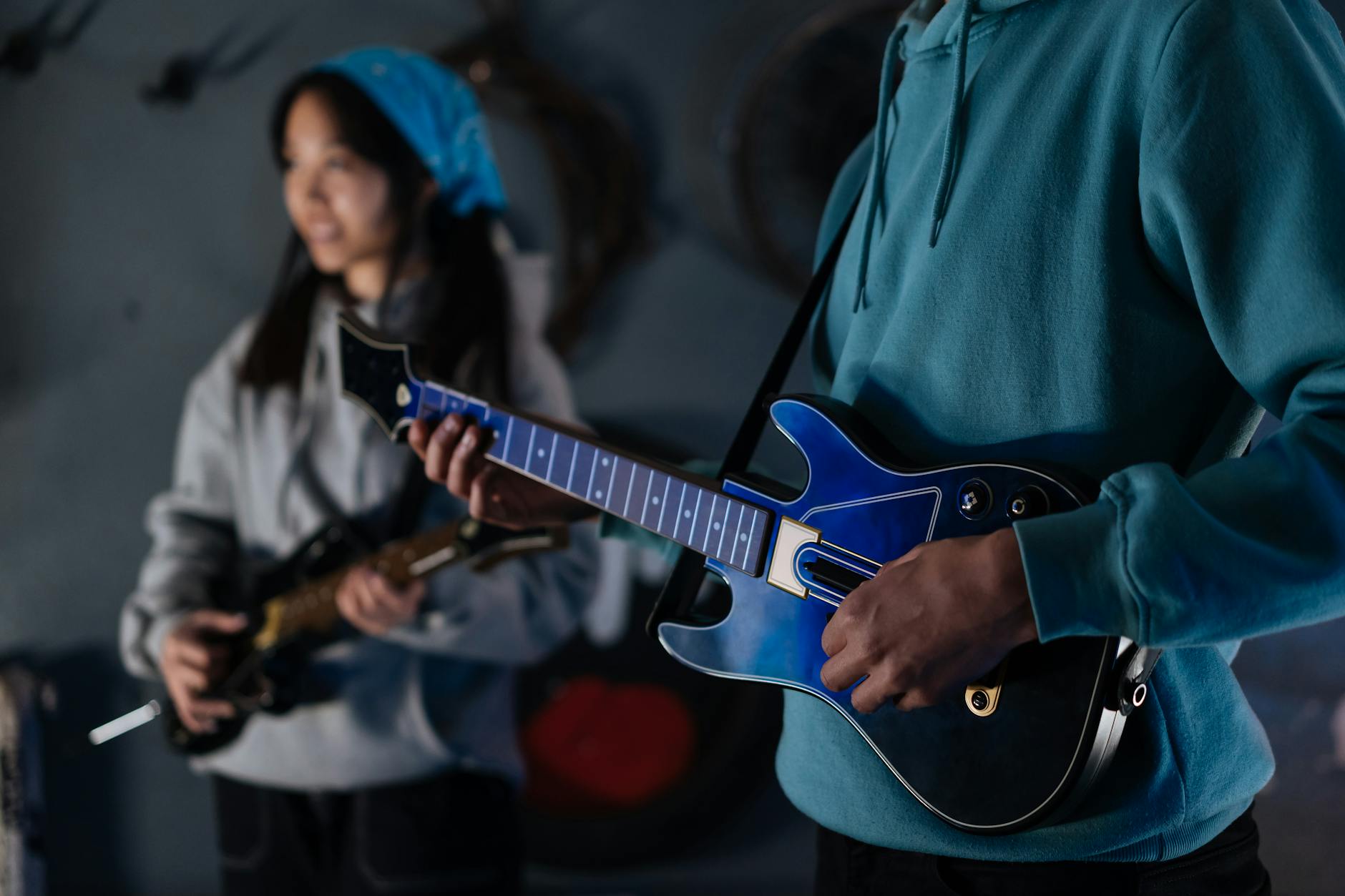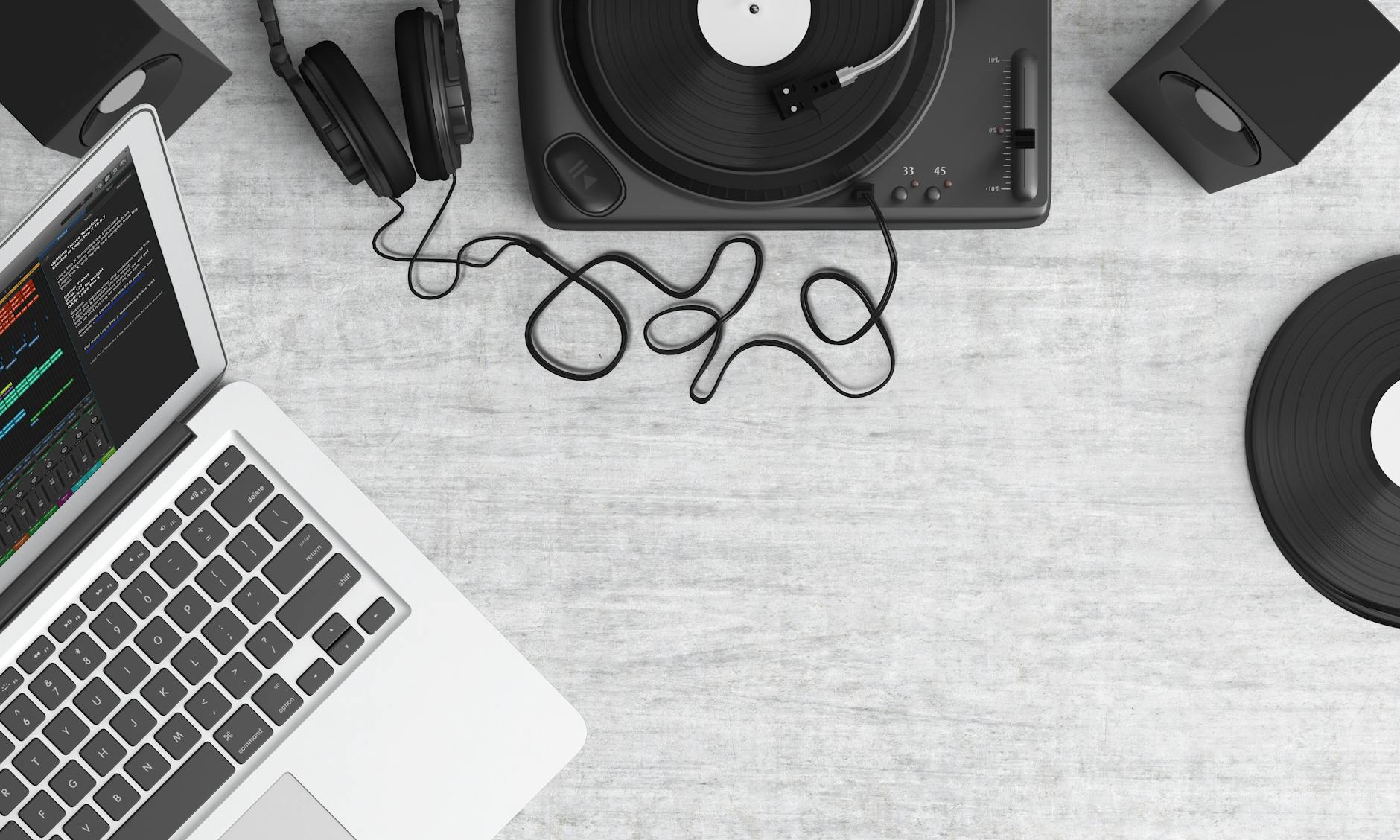
In today’s fast-paced world, the intertwining of music and digital culture is more pronounced than ever. From streaming services to social media platforms, technology has reshaped how music is produced, distributed, and consumed. This transformation has not only changed the landscape for artists but has also altered listener behaviors and cultural trends.
Understanding the implications of digital culture on music reveals profound insights into the industry’s evolution and the consumption patterns of modern audiences.
Streaming Services Revolutionizing Music Access
The rise of streaming services like Spotify and Apple Music has revolutionized music accessibility. According to a report from the International Federation of the Phonographic Industry (IFPI), more than 400 million people are subscribed to paid streaming services globally. This shift has led to a significant decrease in physical album sales, demonstrating a clear preference for on-demand listening.
These platforms not only offer a vast library of music but also utilize algorithms to personalize user experiences. This personalized approach enables listeners to discover new artists and genres, contributing to the diversification of musical tastes across demographics.
Social Media as a Music Promotion Tool
Social media platforms such as TikTok and Instagram have emerged as critical channels for music promotion and discovery. Viral trends often lead to significant boosts in song popularity, as evidenced by the rise of Lil Nas X’s “Old Town Road,” which gained massive traction through TikTok challenges. This phenomenon illustrates how digital culture can propel lesser-known artists into the mainstream spotlight.
Moreover, social media allows artists to engage directly with their fans, fostering a more authentic connection. This interaction can lead to a dedicated fanbase, as seen with artists like Billie Eilish, who built her following by sharing behind-the-scenes content and personal insights.
Changing Music Consumption Patterns
The consumption of music has evolved from purchasing albums to curating playlists. Many listeners now prefer to consume single tracks or curated playlists tailored to specific moods or activities. Research indicates that 76% of listeners now create their own playlists, reflecting a shift towards personalization in music consumption.
This trend has significant implications for artists and record labels, as they must adapt their marketing strategies. Instead of focusing solely on album releases, they are increasingly promoting singles and collaborating with influencers to maximize reach.
Challenges and Opportunities for Artists
While digital culture offers unprecedented opportunities for exposure, it also presents challenges. The sheer volume of content available can make it difficult for new artists to stand out. With an estimated 40,000 songs uploaded to Spotify every day, competition is fierce.
However, artists can leverage analytics provided by digital platforms to understand their audience better and refine their strategies. By analyzing streaming data, they can identify which songs resonate most with listeners and tailor their future releases accordingly.
The Future of Music in a Digital Era
As technology continues to advance, the relationship between music and digital culture will likely evolve further. Innovations such as virtual concerts and augmented reality experiences are on the horizon, offering new ways for artists to connect with audiences. The music industry must remain adaptive to these changes to thrive in a digital-first world.
Digital culture has profoundly influenced the music landscape, transforming how artists create, promote, and distribute their work. By understanding these dynamics, stakeholders can navigate this ever-changing environment more effectively.