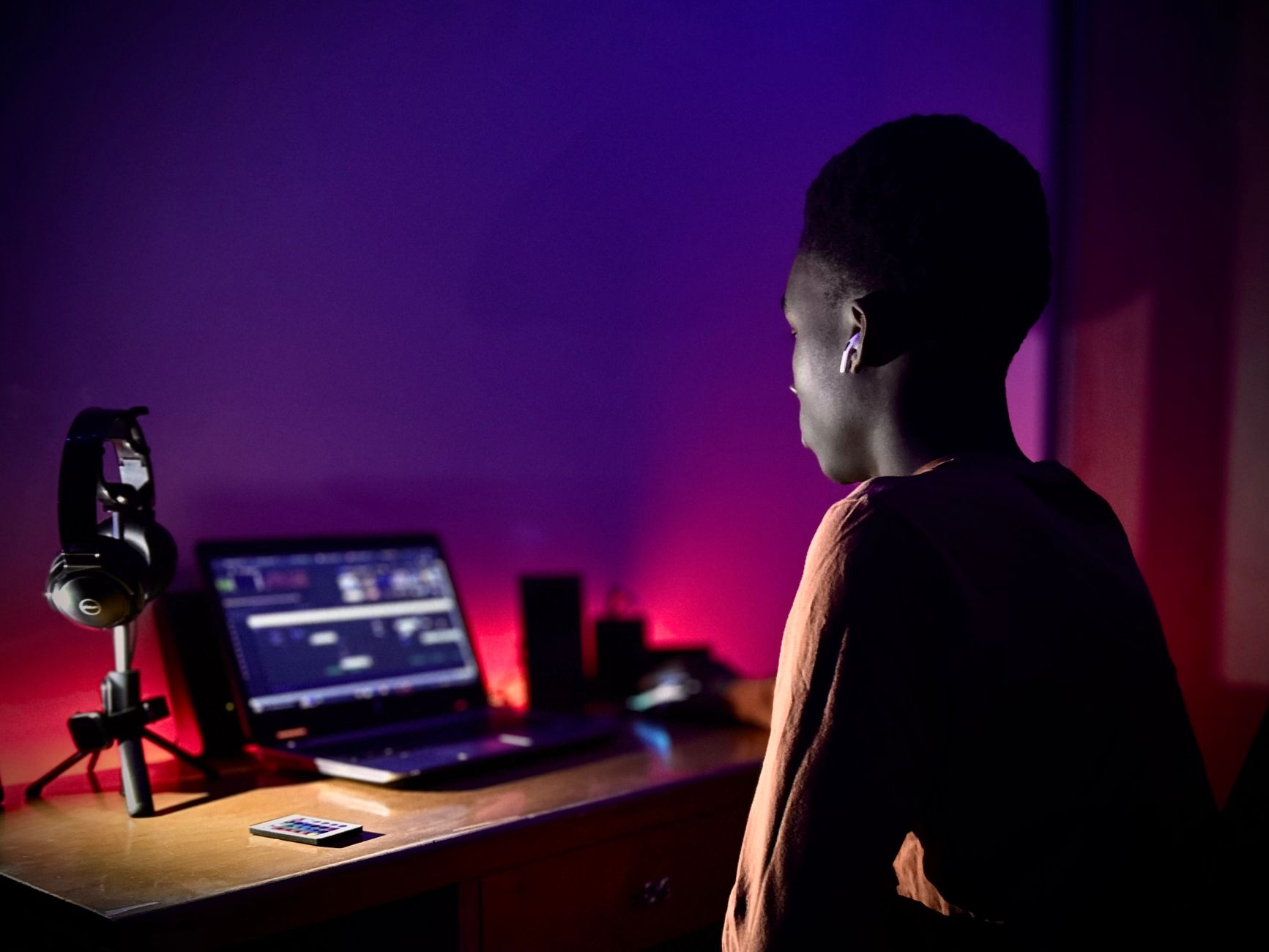
In an era defined by rapid technological advancement, the landscape of creativity has transformed dramatically. The tools and platforms available today do not merely serve as instruments; they reshape the creative process itself. Understanding how technology enhances and alters creativity can provide valuable insights for artists, designers, musicians, and content creators alike.
From digital art platforms to AI-assisted music composition, the ways in which technology fosters innovation are both varied and profound. This article explores the myriad ways technology influences modern creative processes, offering concrete examples and insights into this fascinating intersection.
Digital Tools and Artistic Expression
The rise of digital tools has allowed artists to experiment without the limitations of traditional mediums. Software like Adobe Creative Suite provides graphic designers with an array of features that enhance their capabilities. For instance, programs like Photoshop enable extensive manipulation of images, allowing artists to blend realities or construct entirely new worlds. Such tools can lead to new artistic movements, as seen in the rise of digital painting and photomanipulation.
The Role of Artificial Intelligence
AI is reshaping creative fields by facilitating unprecedented levels of creativity. In music, platforms like AIVA and Amper Music use algorithms to compose original pieces based on user inputs. This technology allows musicians to explore new genres and styles, pushing the boundaries of what can be created. While some purists debate the authenticity of AI-generated music, others see it as a partnership that enables human creators to innovate and expand their sonic palettes.
Social Media and Collaborative Creativity
Social media platforms such as Instagram and TikTok have created new avenues for collaboration and audience engagement. Creators can share their work instantaneously, receiving feedback and inspiration from a global community. This interaction can spark new ideas, as seen in the trends of viral challenges or collaborative projects across disparate fields. The democratization of creativity allows more voices to be heard, resulting in a rich tapestry of styles and ideas.
Access to Learning Resources
Technology has also revolutionized access to education in creative disciplines. Online platforms like Skillshare and Coursera provide tutorials and courses from industry professionals, enabling aspiring artists to learn new techniques at their own pace. This access promotes a culture of continuous learning, where individuals can always refine their skills and stay current with trends. More importantly, it makes creative education accessible to a larger audience, breaking down socioeconomic barriers.
Challenges and Criticisms
Despite the advantages, there are challenges associated with technological influence on creativity. One major concern is the potential over-reliance on tools, which might stifle natural creativity. Critics argue that the ease of technology could lead to homogenized works that lack authenticity. Additionally, issues surrounding copyright and originality arise when AI-generated content becomes indistinguishable from human-created art.
Conclusion
Ultimately, technology is a double-edged sword in the realm of creativity. While it offers powerful tools that expand possibilities and foster innovation, it also presents challenges that creators must navigate thoughtfully. The interplay between technology and creativity is complex, requiring ongoing dialogue about how best to harness these tools for artistic expression. As we move forward, the conversation around technology’s role in creativity will only become more critical, shaping the future of artistic endeavors in ways we cannot yet fully comprehend.