The intermingling of music and digital culture has transformed the way we create, consume, and share music in profound ways. From streaming services to social media platforms, the evolution of technology has not only altered music distribution but has also reshaped listener behaviors and engagement. This article delves into the intricate relationship between music and digital culture, highlighting its ramifications and the emerging trends that define the contemporary musical landscape.
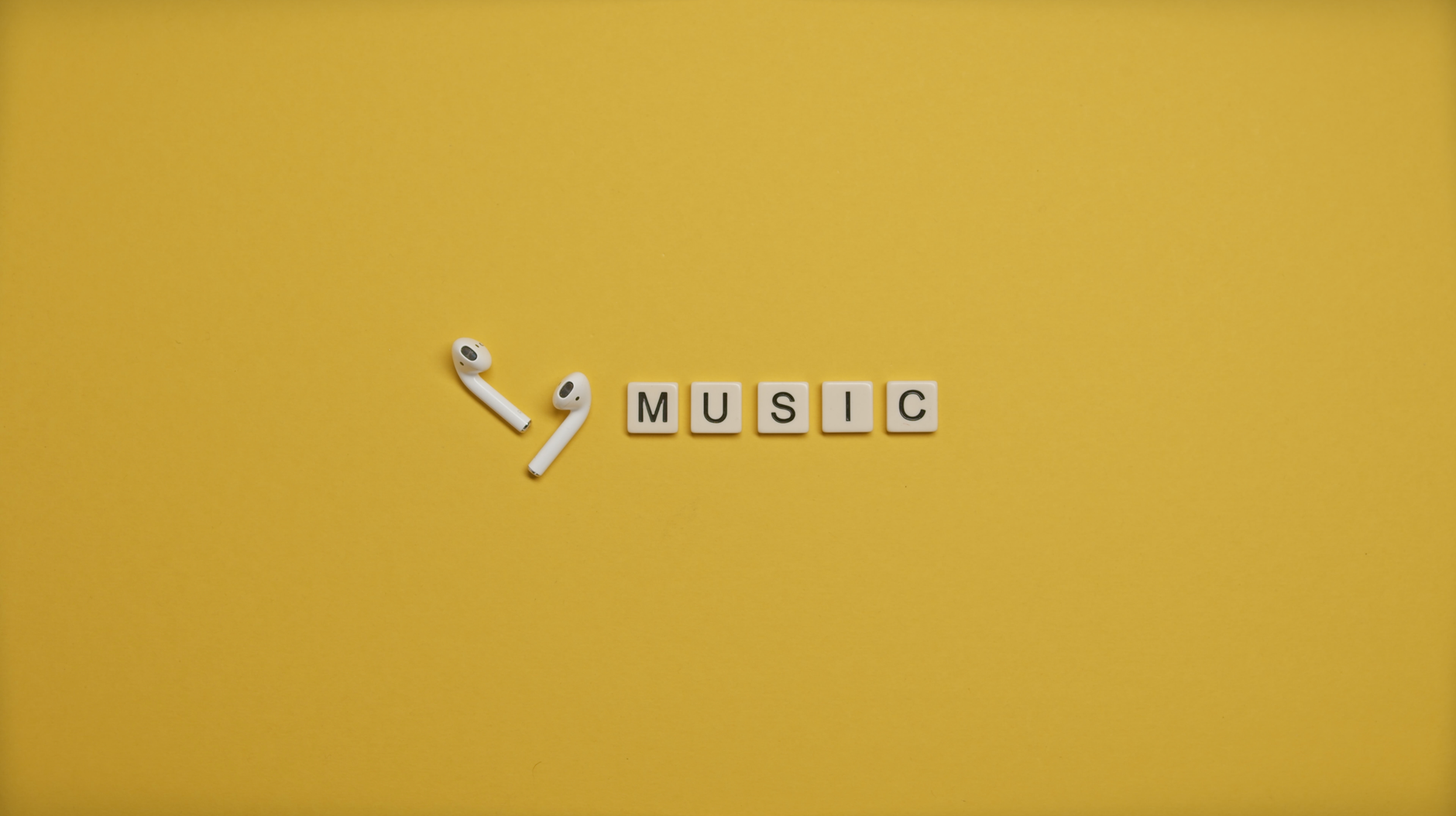
As digital platforms have become the primary means of music consumption, traditional models of music distribution have been disrupted. Streaming services such as Spotify and Apple Music boast millions of tracks, allowing users to access vast libraries at their fingertips. This accessibility has made it easier for independent artists to distribute their work without the backing of a major label, democratizing the music industry.
The Rise of Streaming Services
Streaming services have revolutionized how music is monetized and consumed. According to the Recording Industry Association of America (RIAA), streaming accounted for over 83% of the total music industry revenue in 2021. This shift has altered not only how artists earn money but also how they engage with their audience. For instance, artists often use platforms like Instagram and TikTok to promote their music, creating a direct connection with fans and facilitating a more personal brand identity.
Social Media and Music Discovery
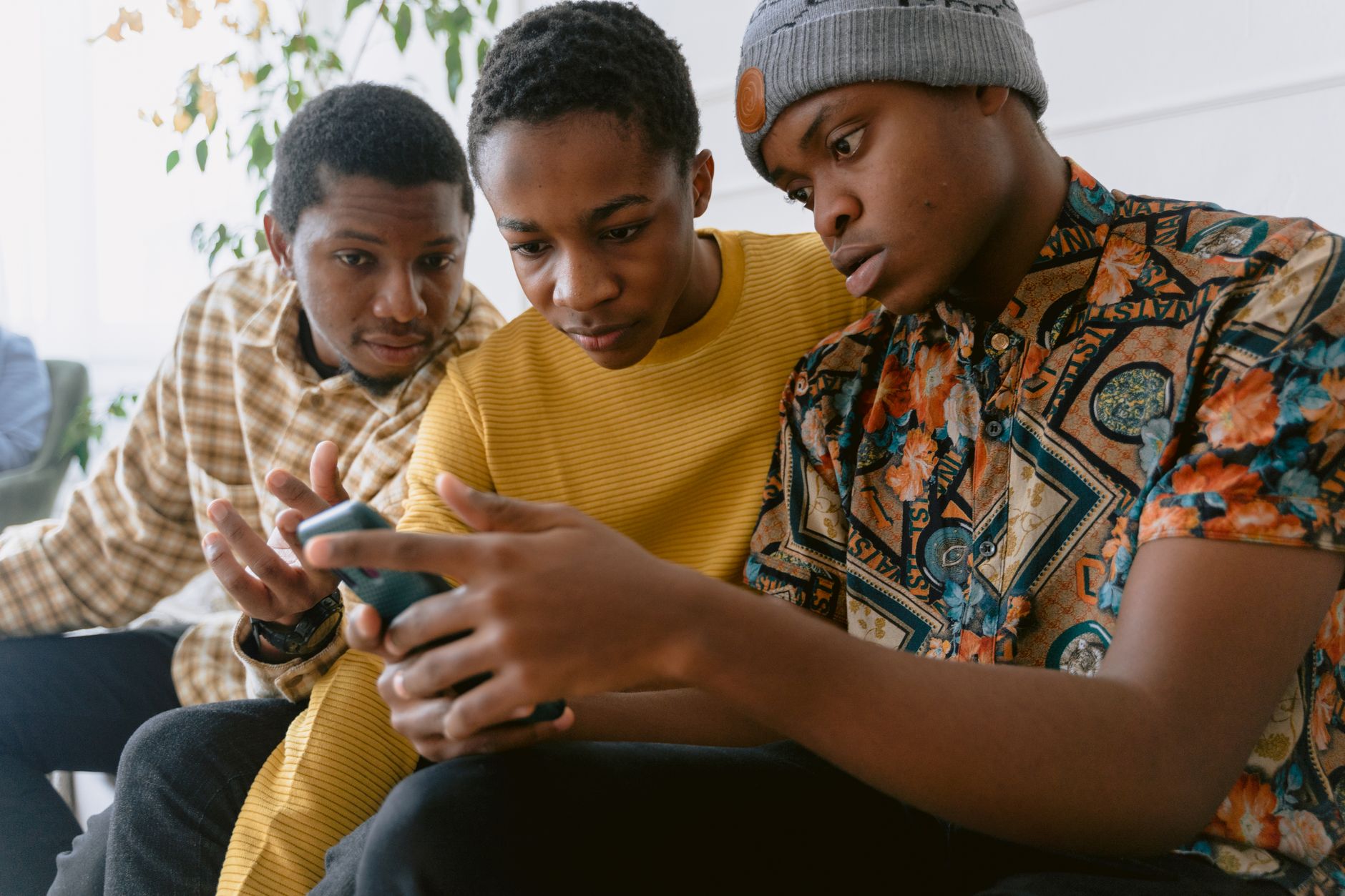
Social media has also played a pivotal role in music discovery. Platforms such as TikTok have become incubators for new music trends, with songs going viral overnight and subsequently climbing music charts. A prime example is Lil Nas X’s “Old Town Road,” which gained immense popularity after users began creating viral dance challenges. This phenomenon underscores the power of digital culture in shaping music consumption patterns.
Challenges and Opportunities for Artists
Despite these opportunities, the digital music landscape presents challenges. The sheer volume of content available can make it difficult for individual artists to stand out. Moreover, the reliance on algorithms for promotion can create an uneven playing field, where only songs that fit certain criteria gain visibility. Artists are thus compelled to not only create quality music but also engage in savvy marketing strategies to reach audiences effectively.
The Future of Music in Digital Culture
Looking ahead, the integration of technology in music creation and consumption will only deepen. Innovations like artificial intelligence are beginning to influence music production, with AI tools capable of generating melodies and even writing lyrics. Additionally, virtual reality concerts and immersive experiences may redefine live performances, offering fans unique ways to experience music. As these trends evolve, understanding the relationship between music and digital culture will be essential for artists, marketers, and listeners alike.