There was a time when I believed nothing could replicate the feeling of standing on stage, looking out into a crowd, and sensing a shared emotion in the room. As a musician, that energy defined my understanding of connection. It was immediate, human, and powerful.
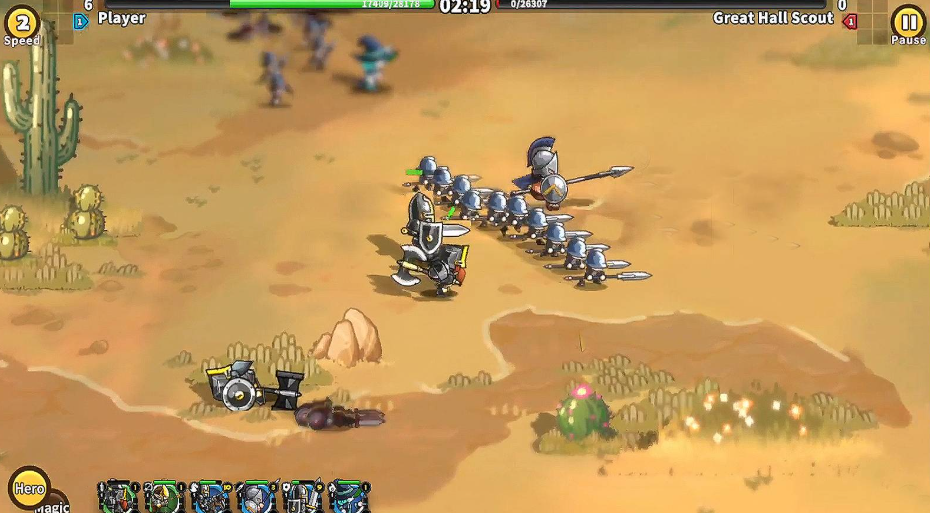
Years later, I found myself exploring something completely different: modern online games.
At first, it was simple curiosity. I wanted to understand why millions of people spend hours inside virtual worlds. According to industry reports, the global gaming audience now exceeds three billion players. That number alone forced me to reconsider what entertainment truly means in the digital age.
What I discovered surprised me.
Modern online games did not replace community. They reinvented it.
Community Is Built Through Participation
In music, community often forms around shared taste. Fans gather because they connect with a sound, a lyric, or a performance. The interaction is emotional but usually one directional.
Online games changed that structure entirely.
In multiplayer environments, participation is the foundation. You are not just observing. You are contributing. Whether cooperating in a team based battle, trading items in a virtual marketplace, or simply chatting in a guild channel, your presence affects the experience of others.
Games such as large scale multiplayer role playing titles or competitive team shooters create ecosystems where every player plays a role. The system rewards collaboration, strategy, and consistency. The stronger the participation, the stronger the sense of belonging.
That shift fascinated me.
Instead of a stage and an audience, there is a shared space. Everyone becomes part of the performance.
Digital Spaces Create Real Bonds
One of the biggest misconceptions about online gaming is that it isolates people. My experience showed the opposite.
Voice chat, coordinated missions, and competitive tournaments require communication and trust. In many online games, long term teams develop routines similar to bands rehearsing for a live show. Roles are defined. Strengths are understood. Mistakes are analyzed. Success is celebrated collectively.
Research from various digital behavior studies shows that cooperative gameplay can improve teamwork skills and even strengthen long term friendships. Many players report forming meaningful relationships through online platforms, sometimes lasting for years.
What stood out to me was how natural it felt.
Late night sessions discussing strategy felt surprisingly similar to late night studio sessions refining a song. Both environments revolve around shared goals and collective problem solving.
The medium changed. The human behavior did not.
The Power of Shared Achievement
Music performances bring people together through emotion. Online games bring people together through achievement.
Modern game design uses progression systems, ranking ladders, seasonal events, and structured rewards to keep players engaged. These systems are not random. They are carefully designed engagement loops.
When a team wins a difficult match or completes a high level challenge, the sense of accomplishment is shared. The emotional impact is amplified because success was not individual. It was collective.
This is something I deeply relate to.
A song feels powerful when an audience sings along. A competitive match feels powerful when a team coordinates perfectly. In both cases, connection emerges from synchronization.
It taught me that shared struggle often creates stronger bonds than passive consumption.
Virtual Economies and Social Structure
Another aspect that caught my attention was the complexity of virtual economies inside modern games.
Many large online titles include in game currencies, item trading systems, cosmetic marketplaces, and seasonal reward cycles. Some virtual economies generate billions of dollars annually through digital goods alone.
But beyond revenue, these systems shape social interaction.
Players trade. They negotiate. They collaborate to acquire rare items. Status is often reflected not just in skill, but in digital assets earned through dedication.
This mirrors aspects of real world communities. Effort leads to recognition. Contribution leads to respect.
In a way, online platforms have created structured micro societies.
Understanding how these ecosystems function opened my eyes to how carefully modern entertainment blends psychology, design, and technology.
Competition Does Not Destroy Community
When I first explored competitive games, I assumed intense rivalry would weaken community bonds. Instead, I observed the opposite.
Competition gives structure to interaction.
Ranking systems create measurable goals. Seasonal resets generate renewed motivation. Tournaments bring groups together around a common objective.
The presence of competition often strengthens cooperation within teams. Shared pressure builds unity. Communication becomes more focused. Roles become clearer.
In music, rehearsals before a major performance create similar dynamics. The external challenge encourages internal cohesion.
Modern online games replicate this pattern at scale.
Millions of players experience cycles of preparation, performance, reflection, and improvement. The rhythm feels familiar to anyone who has participated in creative collaboration.
Connection Beyond Geography
Perhaps the most powerful lesson I learned is that geography no longer defines community.
In the past, fans gathered physically at concerts. Today, players gather digitally across continents in real time. Language barriers are reduced through shared mechanics. Time zones become flexible through persistent online worlds.
A coordinated team might include players from multiple countries, yet operate with seamless communication and shared objectives.
That level of global connection was rare in traditional entertainment just a decade ago.
Modern online games normalized it.
They proved that community does not require physical proximity. It requires structure, shared goals, and consistent interaction.
From Stage Lights to Digital Worlds
Looking back, the transition from music to digital exploration feels less dramatic than it once did.
Both environments revolve around engagement.
Both depend on understanding how people respond emotionally and socially to structured experiences.
Both require systems that support interaction.
The difference is scale.
Online games operate continuously. They evolve through updates, expansions, and seasonal content. Communities adapt in real time. Feedback loops are immediate.
This dynamic nature keeps digital ecosystems alive in ways that traditional formats rarely achieved.
What I Carry Forward
Modern online games taught me that community is not defined by physical space or traditional format.
It is defined by participation.
It is strengthened by shared challenge.
It is sustained by structured systems that encourage interaction.
What began as curiosity became deeper appreciation. I no longer see gaming as separate from creative expression. I see it as another form of performance, another stage where collaboration shapes experience.
The tools changed. The screens replaced spotlights. Avatars replaced microphones.
But connection remains at the center.
And that, more than anything, feels familiar.