The digital era has revolutionized the way artists create, share, and monetize their work. Technological advancements, especially in digital art tools and social media platforms, have opened up unprecedented opportunities for creativity and connection. Artists today not only have to master their craft but also navigate a complex landscape of digital channels, making it crucial to adapt and evolve.
This article explores essential insights and practical strategies for artists who want to thrive in the fast-paced digital environment. By understanding the nuances of digital tools and platforms, artists can enhance their visibility and establish a unique voice.
Embracing Digital Tools for Creation
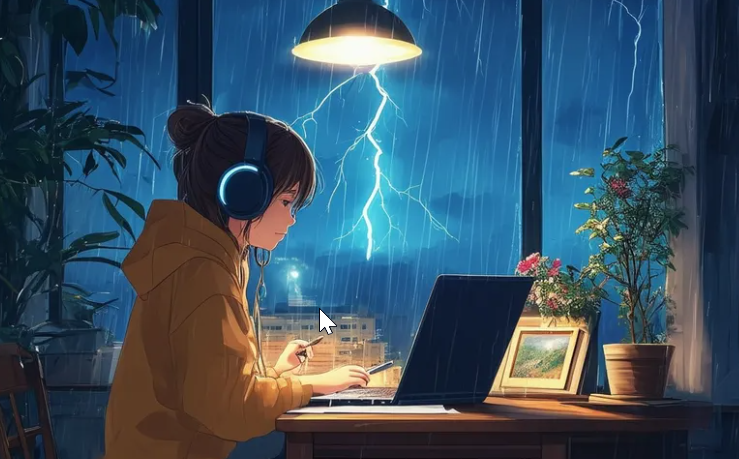
Modern artists can leverage a variety of digital tools that enhance their creative process. Software such as Adobe Creative Cloud, Procreate, and Blender allows for experimentation and innovation. For instance, Procreate has gained popularity among illustrators for its user-friendly interface and extensive features, enabling creators to produce high-quality artwork directly from an iPad.
Moreover, artists can utilize 3D modeling software to expand their portfolios. For example, platforms like SketchUp enable artists to create intricate spatial designs, catering to industries ranging from architecture to video game development.
The Role of Social Media in Art Promotion
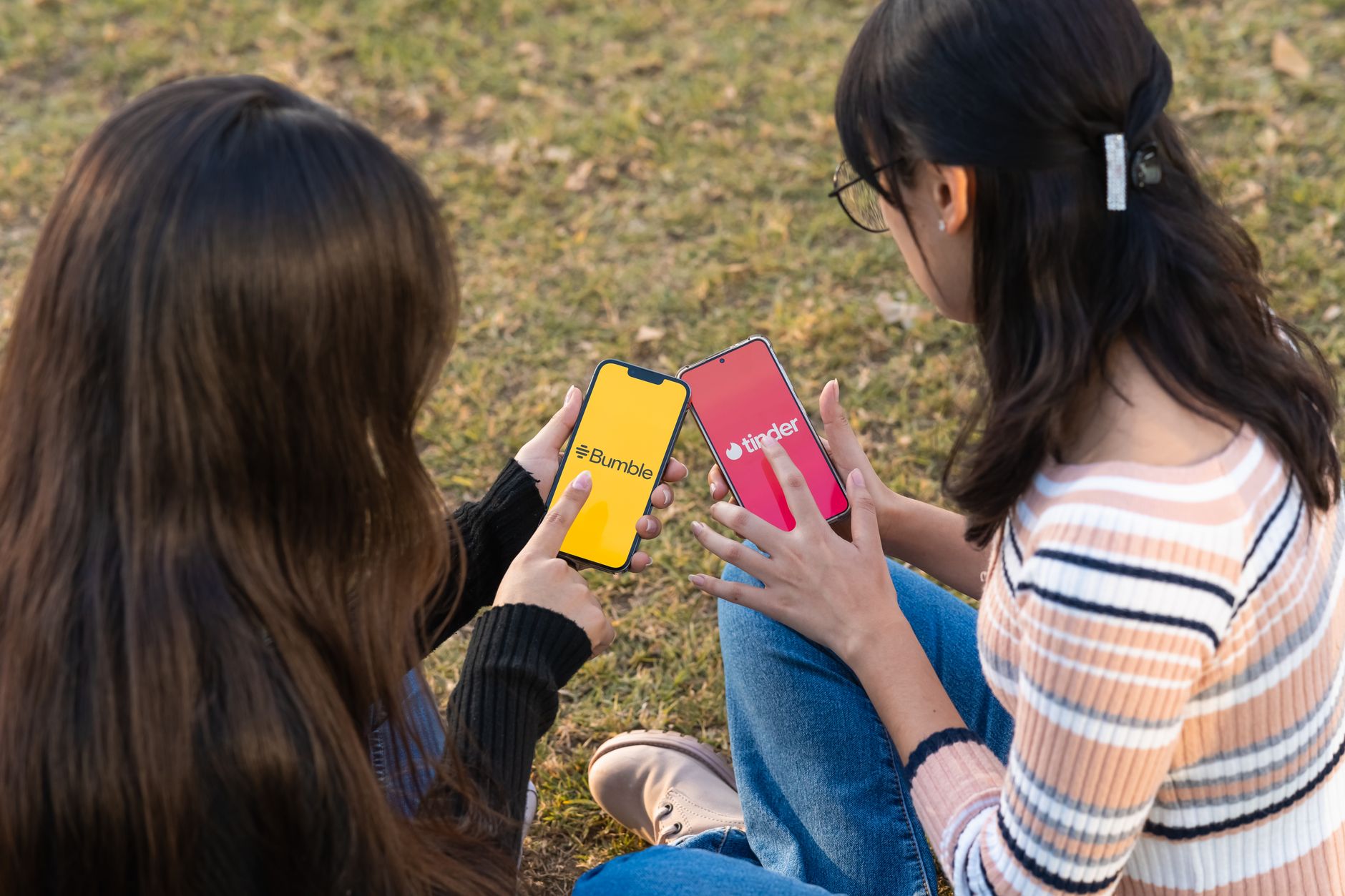
Social media has become a vital aspect of building an artist’s brand. Platforms like Instagram and TikTok are not just for sharing finished pieces but also for showcasing the creative process. Artists can engage their audience by posting time-lapse videos or behind-the-scenes content. According to a study by Artfinder, 66% of art buyers reported discovering artists through social media, highlighting its importance in contemporary art marketing.
Additionally, artists can utilize social media analytics to understand their audience better. Tools like Instagram Insights provide valuable information about engagement rates and demographics, allowing artists to tailor their content strategy effectively.
Virtual Galleries and Online Marketplaces
The rise of virtual galleries and online marketplaces has transformed the traditional art buying experience. Platforms such as Saatchi Art and Artsy allow artists to showcase their work globally, reaching a broader audience without the limitations of physical galleries. This shift has democratized art access, enabling emerging artists to sell their work alongside established names.
For example, in 2020, Saatchi Art reported a 25% increase in sales, attributing this growth to the increase in online viewing during the pandemic. Artists should consider creating an online portfolio and listing their artworks on multiple platforms to maximize visibility.
Building a Personal Brand
In a crowded digital space, having a distinct personal brand is essential. Artists should develop a cohesive visual identity that reflects their style and values. This includes consistent use of color palettes, logos, and messaging across all platforms. A strong personal brand not only attracts followers but also builds trust with potential buyers.
Moreover, storytelling plays a crucial role in brand building. Artists should share their journey, influences, and creative processes. This authenticity resonates with audiences and fosters deeper connections.
Continuous Learning and Adaptation
The digital landscape is constantly evolving, and artists must stay informed about new trends and technologies. Joining online communities, attending webinars, and enrolling in courses can provide artists with fresh insights and skills. For example, platforms like Skillshare and Coursera offer a range of courses specifically tailored to artists looking to expand their knowledge in digital tools and marketing strategies.
Ultimately, embracing a mindset of continuous learning will enable artists to remain relevant and innovative in their work.
Collaborations in the Digital Age
Collaboration has become increasingly common in the digital art world. Artists can connect with others across the globe, blending styles and ideas to create unique works. Collaborative projects, whether through online communities or social media challenges, can amplify reach and introduce artists to new audiences.
Moreover, partnerships with brands and businesses can lead to exciting opportunities. For example, many artists are now creating custom merchandise or limited edition prints in collaboration with lifestyle brands, enhancing their visibility and revenue streams.