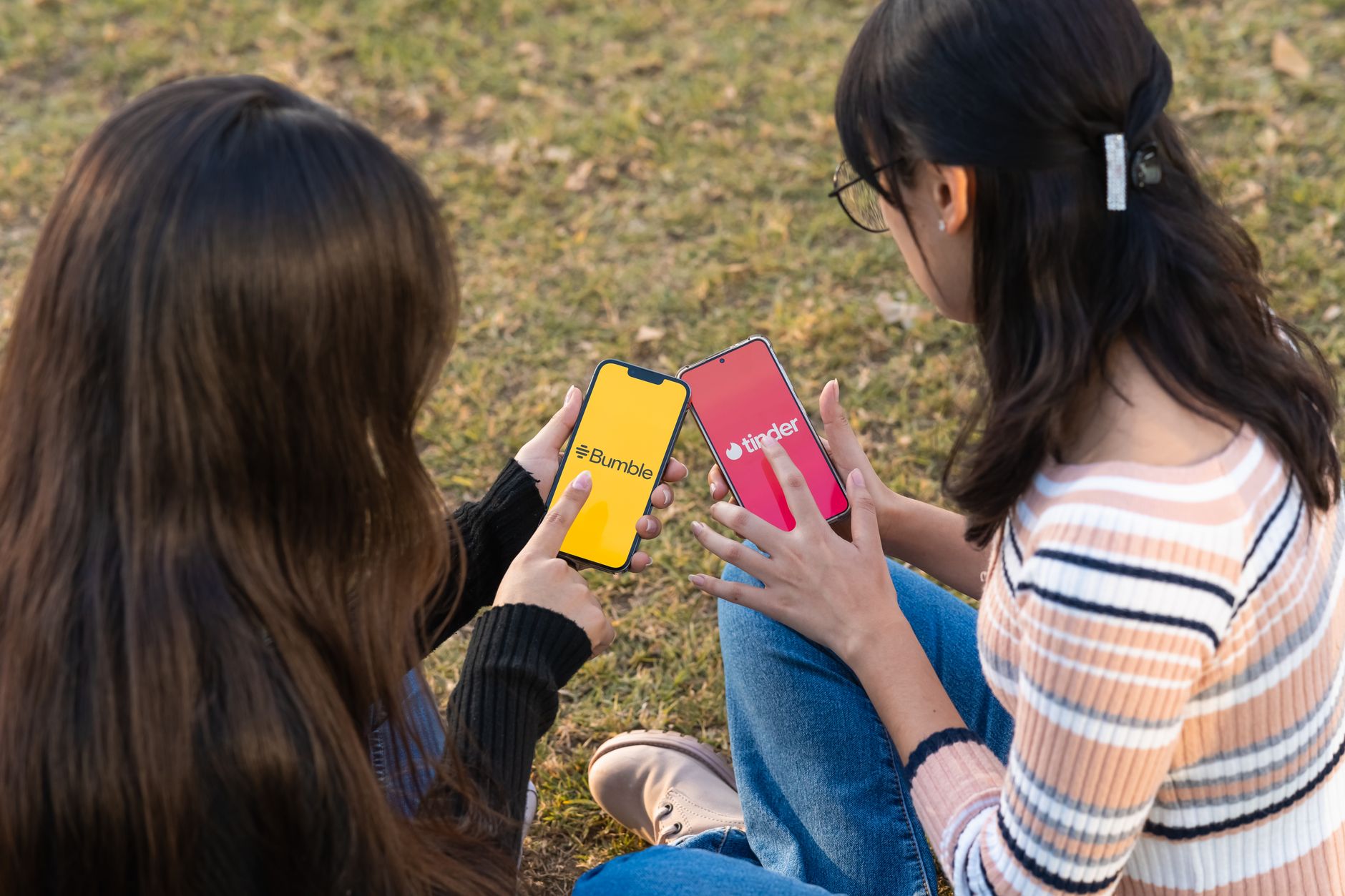
The rise of digital communities has transformed how individuals connect, communicate, and collaborate. With the growth of platforms like social media, forums, and gaming networks, social interaction has evolved into a complex tapestry of virtual relationships. Understanding the dynamics of these interactions is crucial for individuals and organizations aiming to thrive in the digital landscape.
Digital communities often foster unique cultures and behaviors that differ significantly from traditional face-to-face interactions. This article explores key insights into social interaction within these communities, highlighting their impact on relationships, communication styles, and community building.
The Role of Online Identity
In digital communities, individuals often curate their online identities. These identities can be an extension of their real-life persona or entirely fictitious. Research shows that 70% of users feel more comfortable expressing themselves online than offline. This phenomenon allows for greater authenticity in some aspects but also raises questions about the accuracy and reliability of these identities.
Communication Styles in Digital Spaces
Communication in online communities frequently relies on texts, emojis, and GIFs, rather than vocal cues and body language. A study by the Pew Research Center noted that about 50% of young adults prefer digital communication over in-person conversations. This shift alters the nuances of interactions, as tone and intention may be misinterpreted without visual or auditory signals.
Community Dynamics and Engagement
Digital communities are driven by engagement and participation. Platforms that encourage user interaction, such as Reddit or Discord, often see higher levels of community cohesion. Data indicates that communities with regular engagement have a 30% increase in retention rates compared to those with minimal interaction. Understanding what motivates individuals to participate can help enhance community dynamics.
The Impact of Algorithms on Social Interactions
Algorithms play a crucial role in shaping interactions within digital communities. They curate content that users see, influencing engagement patterns. For instance, Facebook’s algorithm prioritizes posts from users’ friends and family, which can isolate niche communities but also bolster social ties among close networks. This can create echo chambers, where diverse perspectives are less represented.
Challenges of Building Trust
Trust remains a cornerstone of any community. In digital spaces, building trust can be challenging due to anonymity and the potential for misinformation. A study found that 60% of users are cautious about sharing personal information online. Strategies such as consistent moderation, verified accounts, and transparent communication can help cultivate trust among community members.
Cultural Differences in Digital Interactions
Digital communities are often global, bringing together people from diverse cultural backgrounds. Cultural norms can influence communication styles and expectations. For example, while direct communication may be valued in one culture, indirect approaches may be preferred in another. Understanding these differences is essential for fostering positive interactions and inclusivity.
The Future of Social Interaction in Digital Communities
As technology evolves, so too will the nature of social interaction in digital communities. Emerging trends, such as virtual reality and augmented reality, promise to enhance relationships by providing more immersive experiences. Looking ahead, the ability to adapt and respond to these changes will be vital for the sustainability of digital communities.