In a world increasingly dominated by technology, creative expression has transformed dramatically, enabling individuals to explore their artistic instincts beyond traditional boundaries. The digital age offers a plethora of platforms and tools that empower artists to create, share, and connect with a global audience. This shift has sparked innovations across fields such as visual arts, music, writing, and performance, fostering a vibrant community of creators.
Understanding how to navigate this digital landscape is essential for anyone interested in harnessing their creative potential.
The Rise of Digital Art Platforms
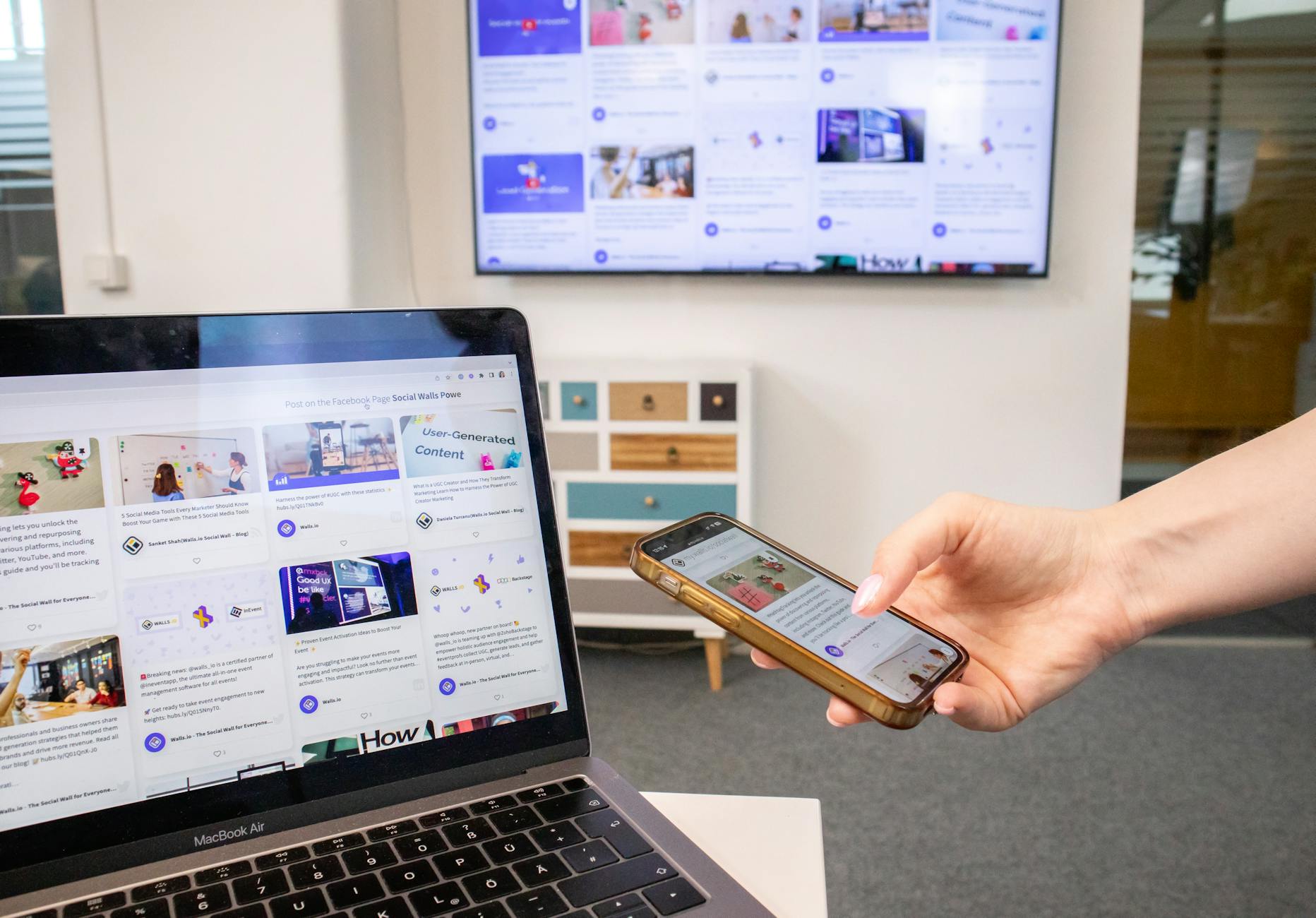
Digital art platforms like Instagram, DeviantArt, and Behance have revolutionized how artists showcase their work. These platforms not only allow artists to display portfolios but also facilitate instant feedback from viewers around the world. For instance, Instagram’s algorithm can enhance visibility for artists by promoting their posts based on engagement levels, enabling potentially viral exposure. This contrasts sharply with traditional gallery systems that often limit access to a select few.
Collaboration and Community Building
Another significant aspect of creative expression in the digital age is the ease of collaboration. Online tools such as Google Docs or collaborative software like Figma allow artists to work together regardless of their geographic location. This fosters a sense of community and encourages the blending of different artistic styles and perspectives. For example, musicians can collaborate on projects through platforms like SoundCloud, where they can share their tracks and receive constructive criticism-enhancing their skills and expanding their creative horizons.
Challenges of Digital Expression
Despite the myriad benefits, the digital landscape poses challenges as well. One concern is the saturation of content, making it difficult for artists to stand out. With millions of pieces of art being uploaded daily, developing a unique style and voice becomes increasingly critical. Additionally, issues surrounding copyright and ownership have arisen, with many artists grappling with how to protect their work in an environment where sharing is so prevalent.
Embracing New Technologies
Emerging technologies such as augmented reality (AR) and virtual reality (VR) are carving out exciting new avenues for creative expression. Artists are now able to create immersive experiences that engage audiences in unique ways. For instance, projects like Google’s Tilt Brush allow users to paint in a 3D space, expanding the boundaries of what constitutes art. These technologies not only change how art is created but also how it is experienced, pushing the envelope of traditional artistic norms.
Conclusion
Creative expression in the digital age is a dynamic and evolving field. By understanding the tools available, the importance of community, and the potential challenges, artists can better navigate this landscape. Embracing innovation while maintaining their unique voice will allow them to thrive in this exciting new era of creativity.