The intersection of technology and creativity has transformed the landscape of artistic expression and innovation. In a world where digital tools and platforms are increasingly accessible, artists, designers, and creators are finding new avenues to explore and express their ideas. This dynamic exchange between creativity and technology not only enhances artistic endeavors but also reshapes how we perceive and engage with creative works.
From graphic design to music production, technology serves as a catalyst, enabling creators to push boundaries and experiment in unprecedented ways. The following sections will explore how various technological advancements have redefined modern creativity.
Digital Tools Empowering Artists
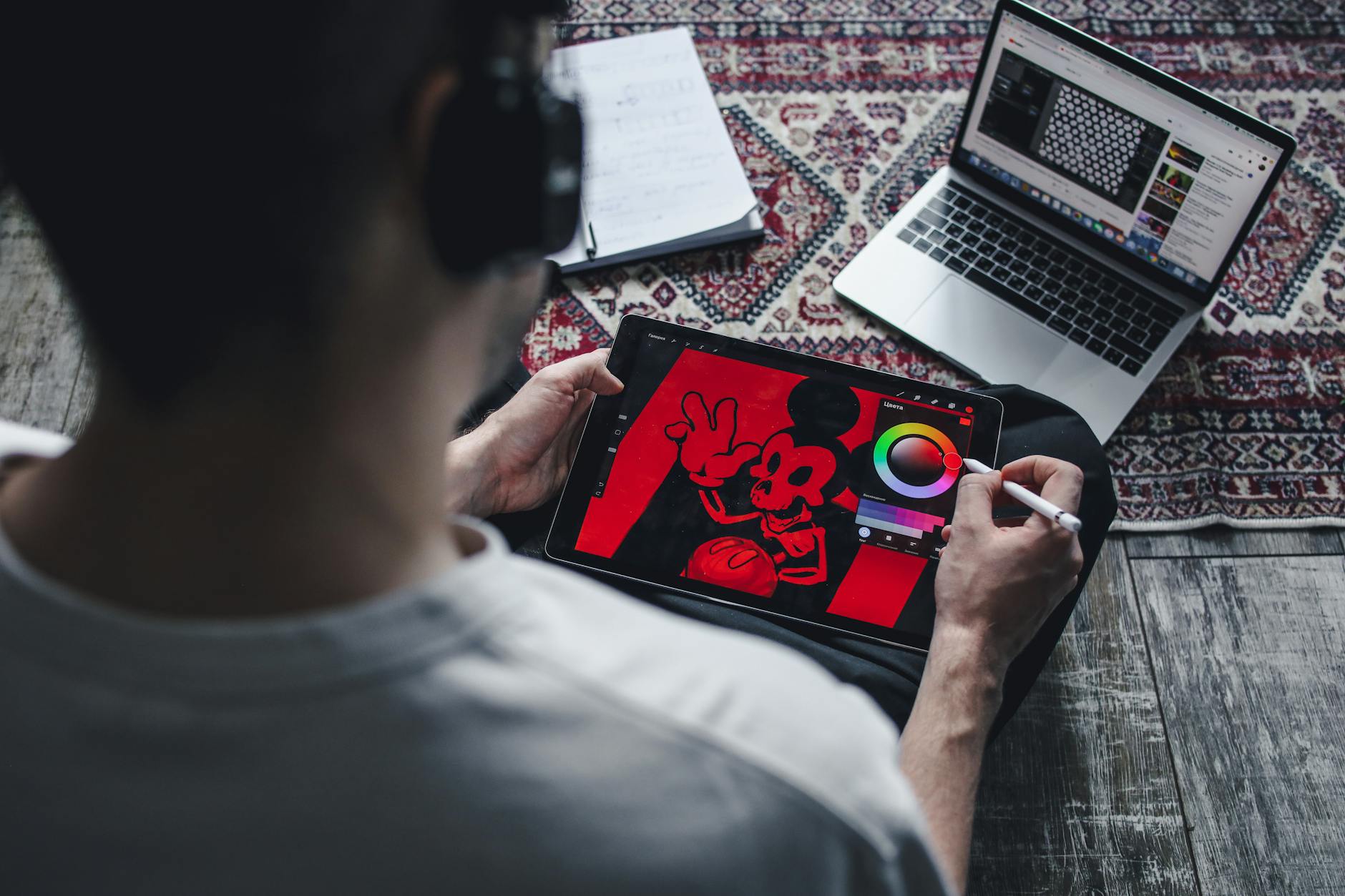
Software applications such as Adobe Creative Suite and Procreate have revolutionized the way visual artists work. Artists can now manipulate images, create digital paintings, and design complex graphics with ease. For instance, many illustrators have adopted vector-based software, which allows for scalable designs that retain quality, making it easier to collaborate and share across platforms.
Social Media as a Creative Showcase
Platforms like Instagram and TikTok have become essential for creators to showcase their work. These platforms allow artists to reach global audiences, breaking down geographical barriers that previously limited exposure. The viral nature of social media can also lead to rapid recognition, creating opportunities for collaboration and sponsorship that were not possible before.
Artificial Intelligence in Creative Processes
AI technology is increasingly being integrated into creative processes, offering tools that aid in content creation, analysis, and even idea generation. For example, AI-driven platforms can analyze trends and suggest themes for writing or music production, providing creators with data-driven insights that can enhance their work. This synergy can lead to more innovative and relevant creations as artists respond to real-time feedback.
Virtual Reality and Immersive Experiences
Virtual reality (VR) is changing how audiences experience art and storytelling. Artists can create immersive environments that engage viewers in multi-sensory ways, allowing them to experience narratives interactively. For instance, VR art installations allow audiences to walk through and interact with the artwork, fostering a deeper emotional connection.
The Role of Online Education
Technology facilitates access to education and skill development for aspiring creators through online courses and tutorials. Platforms such as Coursera and Skillshare offer classes in everything from graphic design to music production, making it possible for anyone with an internet connection to learn and hone their craft. This democratization of knowledge encourages a more diverse range of voices in the creative field.
Collaboration Across Borders
Technology enables collaboration among creators from different parts of the world, fostering innovation through cultural exchange. Cloud-based tools like Google Drive and collaborative platforms allow multiple people to work on a project simultaneously, regardless of their physical location. This interconnectedness can lead to unique creative outputs that blend various cultural influences.
Conclusion
Technology continues to shape modern creativity, enhancing artistic capabilities and expanding the boundaries of what is possible. As tools evolve, so too will the methods through which creators express themselves and engage with their audiences. Understanding these dynamics is crucial for anyone looking to thrive in the contemporary creative landscape.