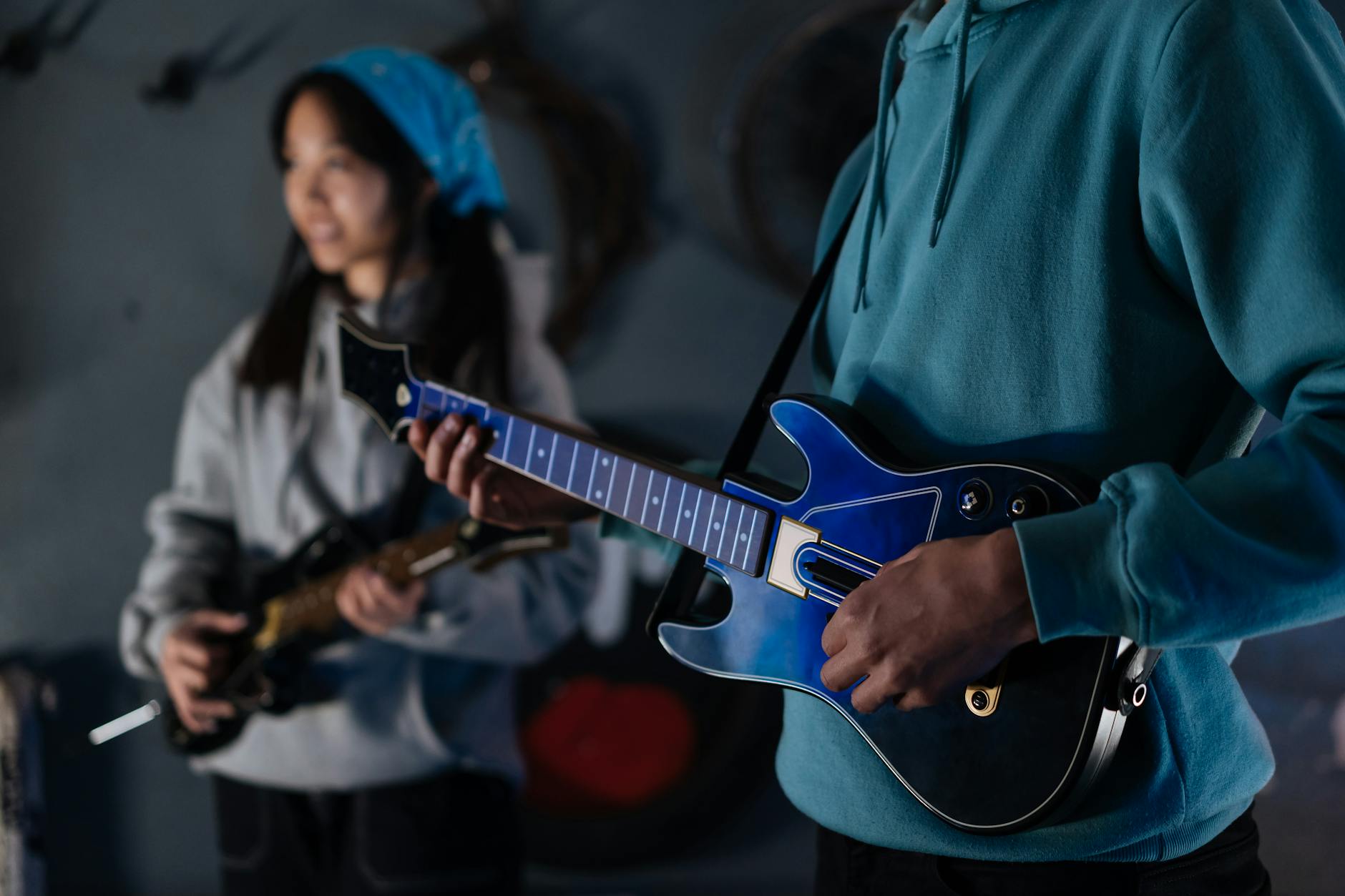
Music has long been an integral part of video games, shaping player experiences and influencing emotional responses. From classic arcade titles to the latest immersive RPGs, the connection between music and gaming is multi-faceted and profound. Understanding how these two art forms interact can enhance both gaming and musical experiences for enthusiasts.
The world of gaming has evolved significantly since the days of 8-bit soundtracks, and with this evolution, the role of music has expanded. It now serves not just as background noise, but as a critical storytelling device that enhances gameplay and emotional engagement.
Emotional Engagement in Gaming Through Music
One of the most compelling aspects of music in gaming is its ability to evoke emotions. Research indicates that music can trigger emotional responses in players, significantly affecting their immersion and enjoyment. For example, a study published in the journal “Psychology of Music” found that players who experienced a game with a well-composed score reported higher levels of emotional engagement compared to those who played with minimal or no music.
Consider the haunting melodies of games like “The Last of Us.” The score, composed by Gustavo Santaolalla, creates a visceral emotional landscape that complements the narrative’s themes of loss and survival. This connection not only enriches the gameplay but also leaves a lasting impression on players, showcasing the power of music in creating memorable gaming experiences.
Creating Atmosphere and Setting
In addition to emotional engagement, music plays a crucial role in establishing the atmosphere and setting of a game. Different genres of music can immediately convey the tone of a game, whether it is a whimsical adventure or a dark horror experience. For instance, in the “Final Fantasy” series, the orchestral compositions elevate the fantastical elements of the story, while the eerie soundscapes in horror games like “Silent Hill” enhance tension and fear.
The use of adaptive music-music that changes based on player actions-further enhances this connection. In games like “Battlefield,” the score dynamically shifts to match the intensity of combat, creating a seamless blend of gameplay and auditory experience. This innovation helps maintain player engagement while emphasizing the stakes during key moments.
Music as a Tool for Character Development
Furthermore, music is often utilized as a tool for character development. Iconic themes associated with specific characters can provide insight into their personalities and arcs. For instance, the character themes in “The Legend of Zelda” series, particularly Link’s theme, evoke feelings of heroism and adventure, effectively aligning the player with the protagonist’s journey.
The melodies associated with characters can also trigger nostalgia, recalling previous games in a franchise. This is particularly evident in series with long histories, where returning players feel an emotional connection through familiar tunes. This phenomenon not only deepens player investment but also enriches the storytelling aspect of gaming.
Conclusion: The Future of Music in Gaming
As technology advances, the connection between music and gaming will likely continue to grow. With the rise of virtual reality and advanced sound technologies, developers have new tools at their disposal to create even more immersive experiences. The integration of spatial audio and interactive compositions will further elevate the role of music in gaming, allowing for unprecedented levels of player engagement and emotional resonance.
Ultimately, the synergy between music and gaming is a powerful and ever-evolving relationship that shapes how players interact with narratives, environments, and characters, making it a fascinating area of study for both musicians and gamers alike.