The digital era has transformed the landscape of art in unprecedented ways. Artists today have access to a plethora of tools and platforms that can amplify their reach, enhance their creativity, and redefine their audiences. While this offers amazing opportunities, it also presents unique challenges that require a savvy approach to navigate successfully.
Understanding the dynamics of digital art and how to leverage technology is crucial for contemporary artists. From social media marketing to understanding digital rights, artists must equip themselves with knowledge to thrive in this evolving environment.
The Rise of Digital Platforms
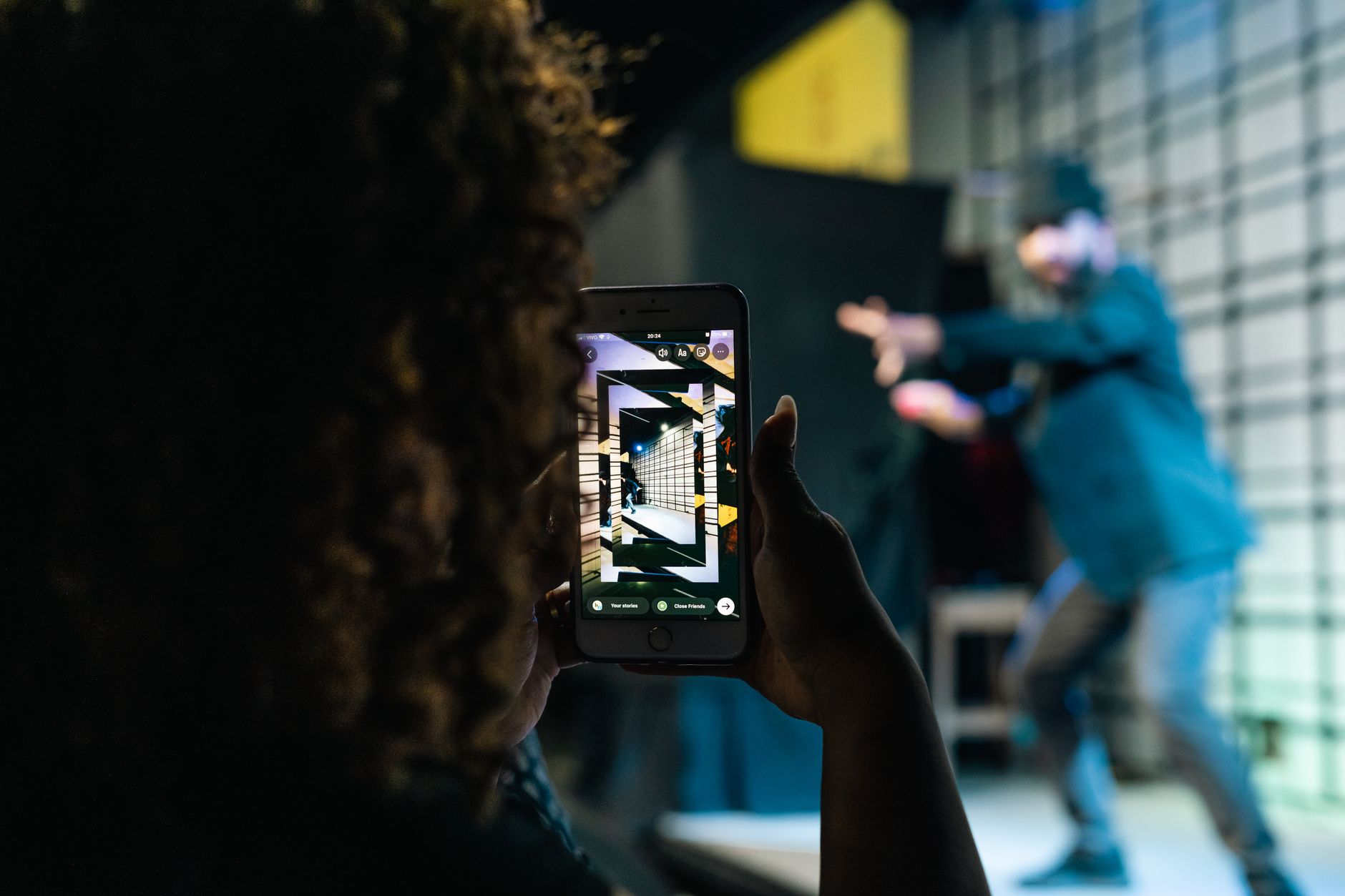
Platforms like Instagram and TikTok have revolutionized how art is shared and consumed. For instance, a study showed that 67% of users on Instagram discover new artists through the platform. These channels allow artists to showcase their work globally without the need for physical galleries. Social media enables instant feedback, fostering a community where artists can engage directly with their audience.
Tools for Digital Creation
Digital art software such as Adobe Creative Suite, Procreate, and Blender offers artists powerful tools for creation. For example, Procreate, popular among illustrators, allows for intricate detailing and has become a staple for many digital creators. Artists must stay abreast of new technological developments, as tools are regularly updated with features that can enhance their creative process.
Understanding Copyright and Digital Rights
One significant misconception among artists is the belief that sharing their work online means relinquishing ownership. In reality, understanding copyright laws is essential. Artists must know how to protect their work and navigate licensing agreements, especially when engaging with online marketplaces and platforms that may require exclusivity or distribution rights.
Building an Online Brand
An artist’s online presence is an extension of their brand. According to a report by Artsy, 85% of collectors now look online for new art buyers. Successful artists often create a cohesive visual identity across their platforms. This means utilizing consistent themes and styles in their social media, websites, and portfolios to create recognition and connection with their audience.
The Challenge of Over-Saturation
With more artists entering the digital space, standing out can be challenging. Artists must develop unique styles and narratives that resonate with their audience. Moreover, maintaining a consistent posting schedule while engaging authentically with followers can help build a loyal community. A lack of differentiation can lead an artist’s work to get lost in the vast online marketplace.
Engagement Through Storytelling
Storytelling plays a crucial role in connecting with audiences. Artists today are not just selling their work; they are sharing their journeys, inspirations, and creative processes. For instance, many artists use platforms like YouTube or Instagram Stories to share behind-the-scenes looks, further enriching their connection with followers and enhancing the perceived value of their work.
Networking in the Digital Space
Networking has also shifted in the digital era. Online forums, art communities, and virtual exhibitions create opportunities for collaboration and visibility. Artists should actively participate in these spaces to forge connections with fellow creators, which can lead to joint projects and increased exposure to various audiences.
The Future of Art in the Digital Age
As technology continues to evolve, so too will the art world. Innovations such as virtual reality and augmented reality are already beginning to influence how art is created and experienced. Artists must remain adaptable and open to exploring these new mediums to stay relevant and innovative in the digital space.