The intersection of music and digital culture has profoundly reshaped how we create, consume, and experience music today. From the rise of streaming platforms to the emergence of digital tools for producing music, the landscape has evolved rapidly, offering both artists and listeners new opportunities and challenges. As technology continues to advance, understanding its effects on musical expression and cultural exchange becomes essential.
One significant shift in this realm is the transition from physical albums to streaming services like Spotify and Apple Music. According to the Recording Industry Association of America, streaming accounted for over 80% of the U.S. music industry’s revenue in 2022. This statistic underscores how digital platforms have redefined accessibility; listeners can now access vast catalogs of music with just a click. However, this convenience has led to questions about artist compensation, as many argue that streaming payouts are insufficient for musicians.
Creation and Collaboration in Digital Space
Digital culture also influences music creation, allowing artists from diverse backgrounds to collaborate seamlessly across geographical boundaries. Platforms like SoundCloud and Bandcamp empower independent musicians by providing them with tools for distribution and promotion. For instance, the genre-blending collaborations that arise through these platforms exemplify the democratization of music-making, as artists can experiment without traditional industry constraints.
The Rise of User-Generated Content
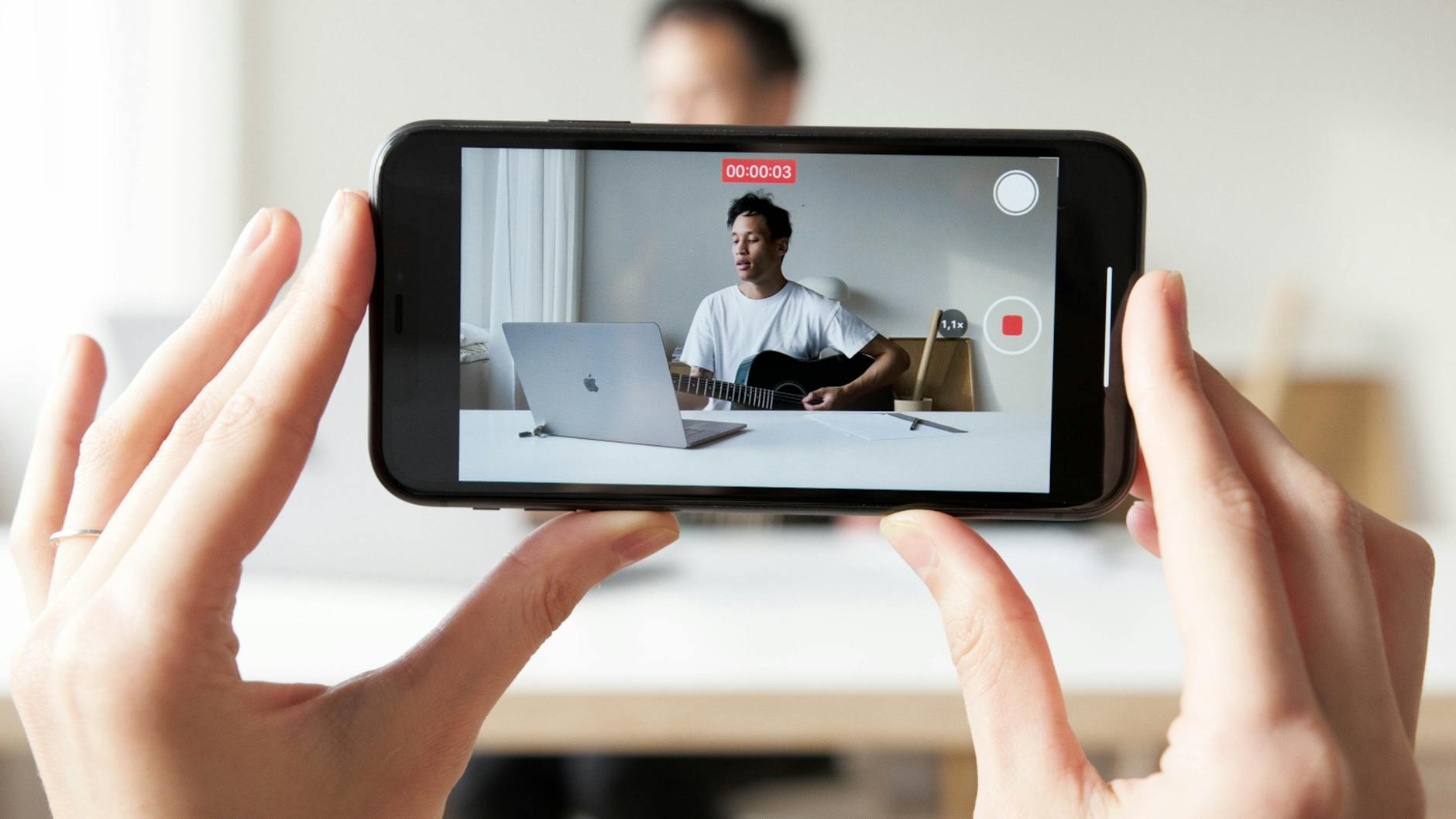
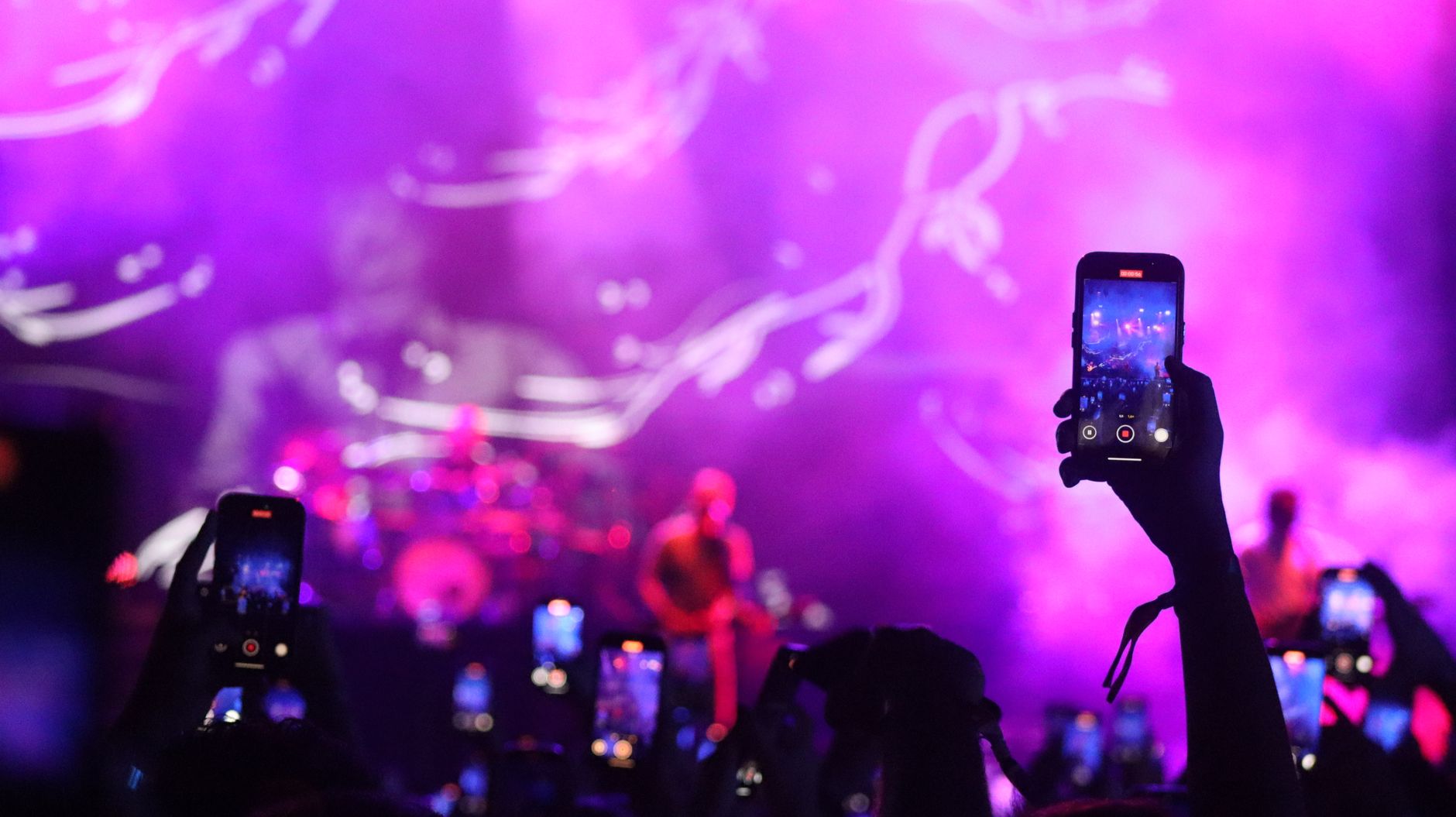
Moreover, user-generated content has transformed the way music is marketed and consumed. TikTok, with its short-form video format, has become a key player in music discovery. A study by Nielsen revealed that over 60% of users discover new music on social media platforms. This trend highlights how viral challenges and trends can propel songs to mainstream success, as seen with tracks like “Old Town Road” by Lil Nas X.
Challenges and Considerations
Despite these advancements, the digital age presents unique challenges. Issues such as copyright infringement and the devaluation of music as an art form are increasingly relevant. With the ease of sharing and remixing music, artists face the dilemma of protecting their work while also engaging with a culture that thrives on remixability. Furthermore, the saturation of content on digital platforms raises the stakes for visibility. Artists must now navigate algorithms and promotional strategies to reach their audiences effectively.
The Future of Music in Digital Culture
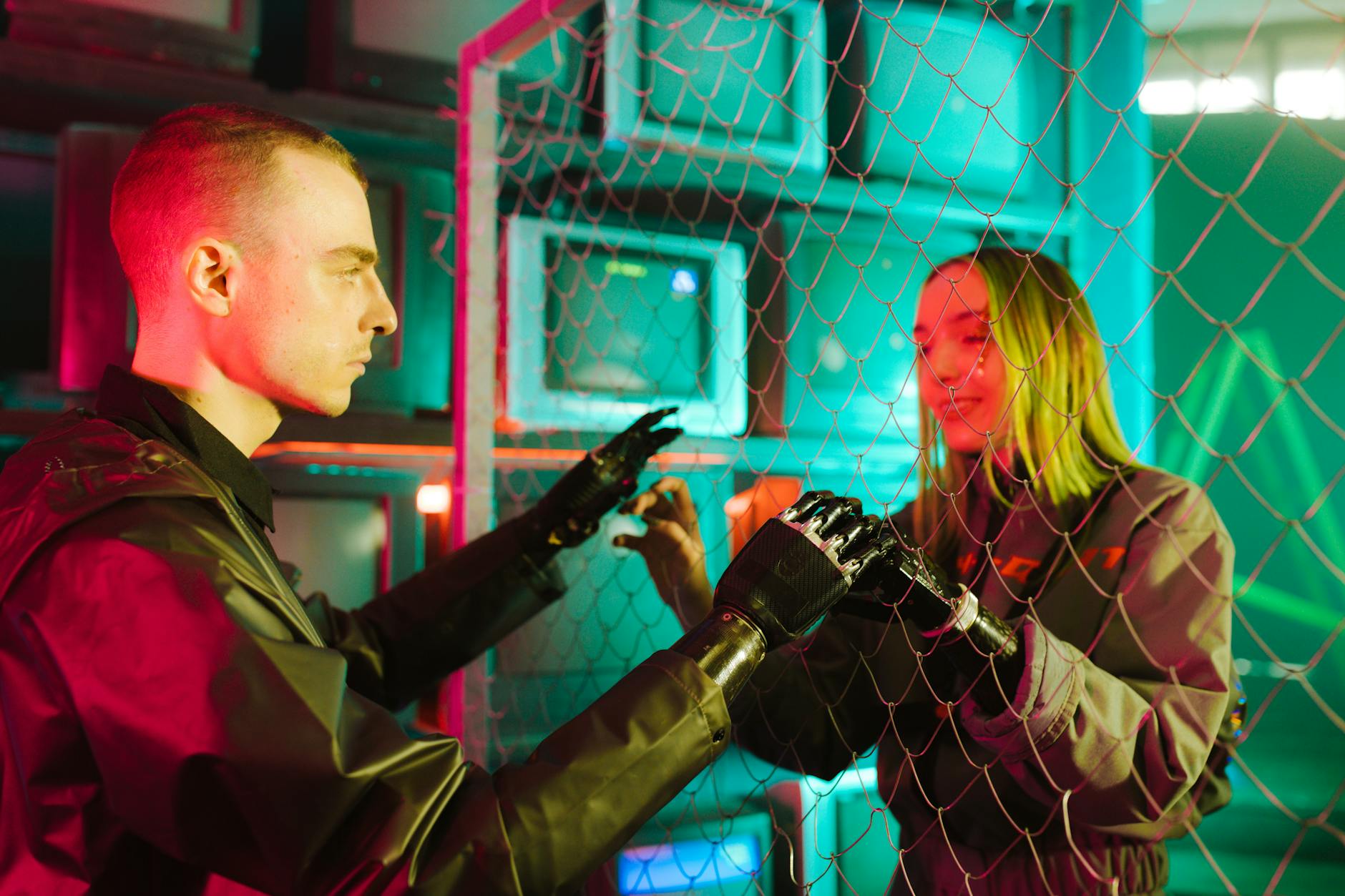
As we look to the future, the integration of artificial intelligence in music production is emerging as a noteworthy trend. AI tools can analyze vast amounts of data to assist in creating music that resonates with listeners. This capability sparks discussions about originality and the role of human creativity in the age of machines. While some fear that AI may dilute musical authenticity, others see it as a tool that can enhance the creative process.
In conclusion, the interplay between music and digital culture continues to evolve, driving significant transformations across the industry. By examining these trends, we can better appreciate the complex dynamics shaping our musical experiences today and anticipate future developments that will undoubtedly redefine how we interact with music.